

(read time: 3 mins)
Salesforce revolutionized CRM by making customer relationship management accessible, scalable, and cloud-first. It enabled businesses to centralize data, automate workflows, and integrate third-party tools. Yet, as companies scale, especially subscription-based businesses, Salesforce alone often falls short in running revenue operations efficiently.
For modern RevOps teams, the real challenge isn’t just managing relationships, it’s managing the entire revenue lifecycle seamlessly, from quote to renewal.
The Legacy Strengths of Salesforce CRM
Salesforce’s rise wasn’t accidental. Its core strengths set the foundation for modern revenue management:
1. Cloud-First Architecture
Teams could collaborate in real time, access critical customer information from anywhere, and scale infrastructure without worrying about maintenance.
2. API-First Design
Salesforce became the hub for integrations, enabling data flow across sales, marketing, finance, and service platforms.
3. Modular Ecosystem
AppExchange allowed businesses to customize CRM with apps covering marketing, CPQ, billing, and analytics, extending functionality beyond core CRM.
4. Low-Code Automation
Empowering business users to build workflows reduced IT dependency and accelerated operational agility.
These strengths made Salesforce the backbone of CRM, but modern revenue management demands more than strong foundations—it requires end-to-end orchestration.
Where Salesforce CRM Hits Its Limits
For subscription and recurring-revenue businesses, Salesforce alone often leaves critical gaps:
Disjointed CPQ and Quoting Processes | Complex pricing models and volume discounts require custom setups. Many teams rely on spreadsheets or manual overrides, increasing error risk.
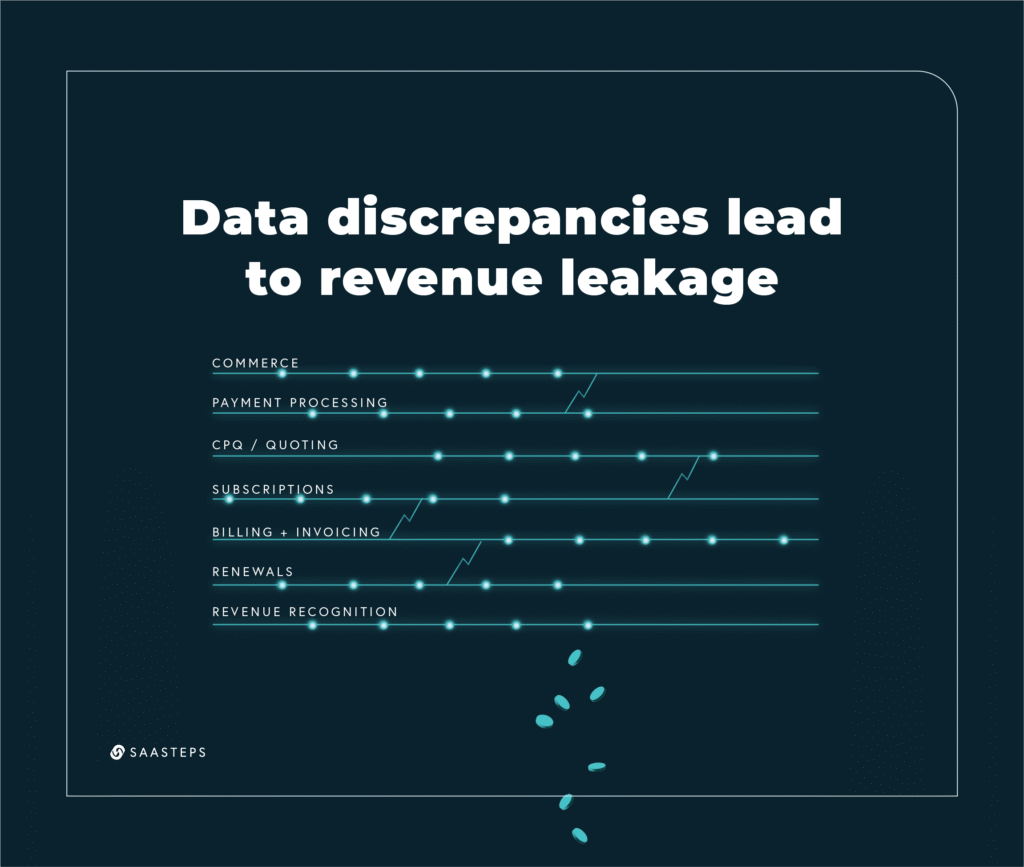
Billing, Subscription, and Renewal Inefficiencies | Disconnected workflows across billing, invoicing, and renewals slow operations and frustrate customers.
Fragmented Data and Reporting | Multiple objects, dashboards, and unstructured data hinder real-time visibility into ARR, MRR, and churn metrics.
Limited ESG and Advanced Compliance Reporting | Tracking sustainability initiatives or regulatory compliance across the customer lifecycle often requires additional tools, creating silos.
In short: Salesforce can manage CRM, but it struggles to run revenue autonomously.
The Case for a Unified Revenue Operations Platform
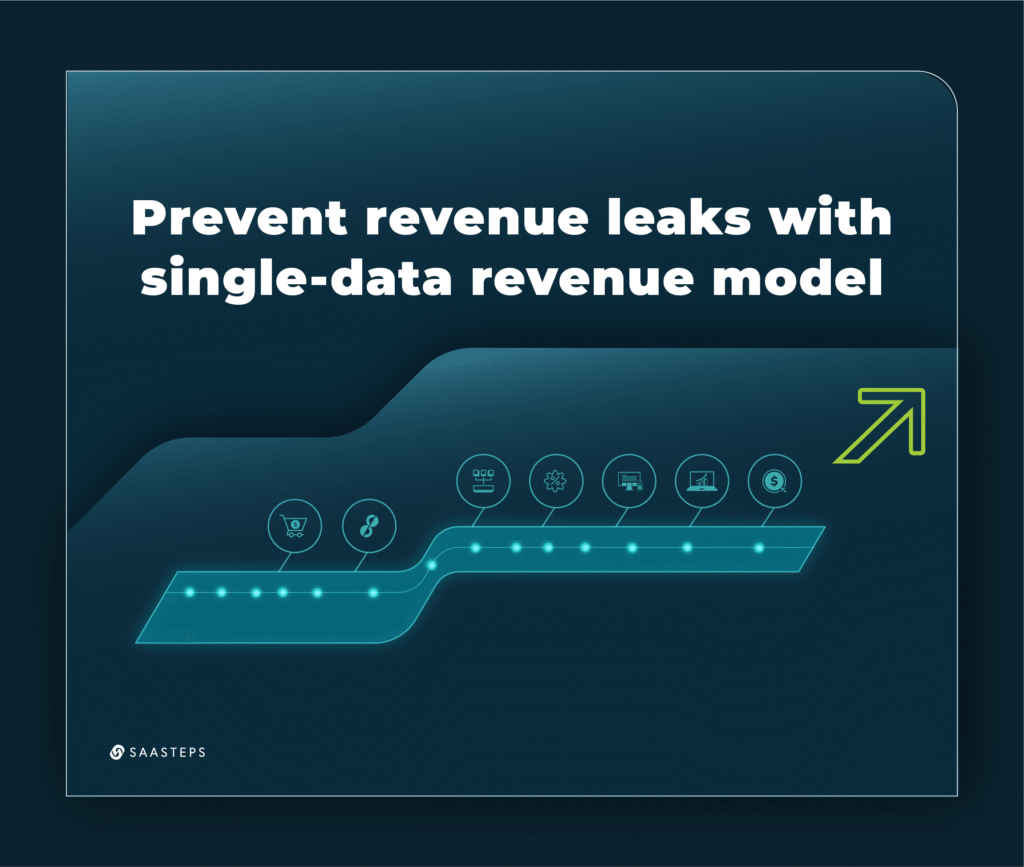
Companies ready to scale must move beyond patchwork solutions. A single-data model revenue platform solves Salesforce’s limitations by connecting every step of the revenue lifecycle: quoting, subscriptions, billing, renewals, and revenue reporting.
Benefits of a unified platform include:
- Automation at scale: Minimize manual entry, reduce errors, and shorten quote-to-cash cycles from days to minutes.
- Real-time revenue visibility: Track ARR, MRR, and NRR with accuracy across teams.
- Actionable AI insights: Leverage structured, centralized data to guide decisions and predict trends.
- Seamless customer experience: Deliver frictionless renewals and upgrades that retain trust and loyalty.
This is more than operational efficiency, it’s a strategic advantage. Companies that unify revenue operations free up resources, reduce costs, and empower teams to focus on growth.
The Future of Revenue Management
Salesforce transformed CRM, but in 2025, the benchmark isn’t just managing customer relationships, it’s owning the revenue lifecycle. (See the Ultimate Revenue Lifecycle Guide ➡️.)
Companies embracing end-to-end revenue operations gain more than data: they gain agility, predictive insights, the ability to scale without friction, and achieve structured AI-ready data ➡️. Organizations that rely on disconnected tools risk inefficiency, errors, and churn.
The question isn’t whether Salesforce works, it’s whether your RevOps strategy allows your revenue to run itself.
Take Action
If your team still relies on spreadsheets, manual billing, or complex workarounds to manage subscriptions and renewals, it’s time to rethink revenue operations. Unified, autonomous systems are no longer optional—they’re the future of sustainable growth.
Start exploring how to connect your revenue lifecycle today.